
Travel Trends Shaping Smarter Holidays in 2026
- Aug 25
- 6 min read
The best trips in 2026 will not necessarily be the busiest, most expensive or most photographed. The travel trends worth following point towards holidays that feel more personal: a better-located hotel, an extra night in one place, a restaurant booked before arrival, or a destination chosen for its atmosphere rather than its hype. For travellers who want more from precious annual leave, that is very good news.
Travel Trends for 2026: What Is Changing?
Travel is becoming less about ticking off a standard list and more about making a trip fit the people taking it. Some travellers are combining city breaks with nearby coastlines; others are swapping a packed itinerary for a single brilliant base. Convenience still matters, but travellers are also paying closer attention to how a place makes them feel once they are there.
That does not mean every holiday needs to be expensive or perfectly planned. It means spending deliberately. A few well-chosen decisions can make a long weekend feel far more memorable than a rushed fortnight built around compromises.
1. Slower, More Immersive Itineraries
The pressure to see everything is fading. Instead of squeezing three cities into seven days, more travellers are choosing one destination and allowing time to settle in. This is especially appealing for European breaks, where a single city can offer museums, neighbourhood cafés, green spaces, day trips and a strong food scene without requiring constant check-ins and suitcase repacking.
A slower itinerary has practical benefits, too. Booking fewer transport legs often cuts costs and reduces the risk that a delay derails the whole holiday. It also leaves room for the small moments that tend to become favourite memories: a long lunch in Lisbon, an unscripted swim in Mallorca, or a late-evening walk through Rome after the day-trippers have gone.
The trade-off is simple. You may see fewer headline attractions. But for many couples and frequent leisure travellers, experiencing a destination properly is a better return on time and money than collecting locations.
Make it work
Choose a hotel or flat in a walkable area, rather than automatically booking the cheapest option outside the centre. Then build each day around one main plan, leaving space for neighbourhood wandering, a market stop or a recommendation from a local.
2. Cool-Season Escapes and Shoulder-Season Sun
Summer travel remains popular, but heat, crowds and peak-season prices are pushing more people towards spring, autumn and cooler destinations. Think island breaks in May or September, city weekends in October, and mountain stays that offer fresh air instead of beach queues.
Shoulder-season travel can offer excellent value, but it is not a guaranteed bargain. School holidays, major events and limited flight routes can still drive up prices. The smarter approach is to be flexible by a few days, compare nearby airports, and check what will actually be open at the destination before booking.
For sun-seekers, the appeal is clear: warmer seas, easier restaurant reservations and a more relaxed pace. For city-break fans, cooler temperatures make walking tours, galleries and long dinners much more enjoyable.
3. Hotels Are Becoming Part of the Plan
Travellers are increasingly treating accommodation as an experience, not merely a place to sleep. That does not always mean five-star luxury. It can mean a design-led boutique hotel, a family-run stay with a rooftop terrace, a countryside spa with excellent food, or a flat with enough room to make a long weekend comfortable.
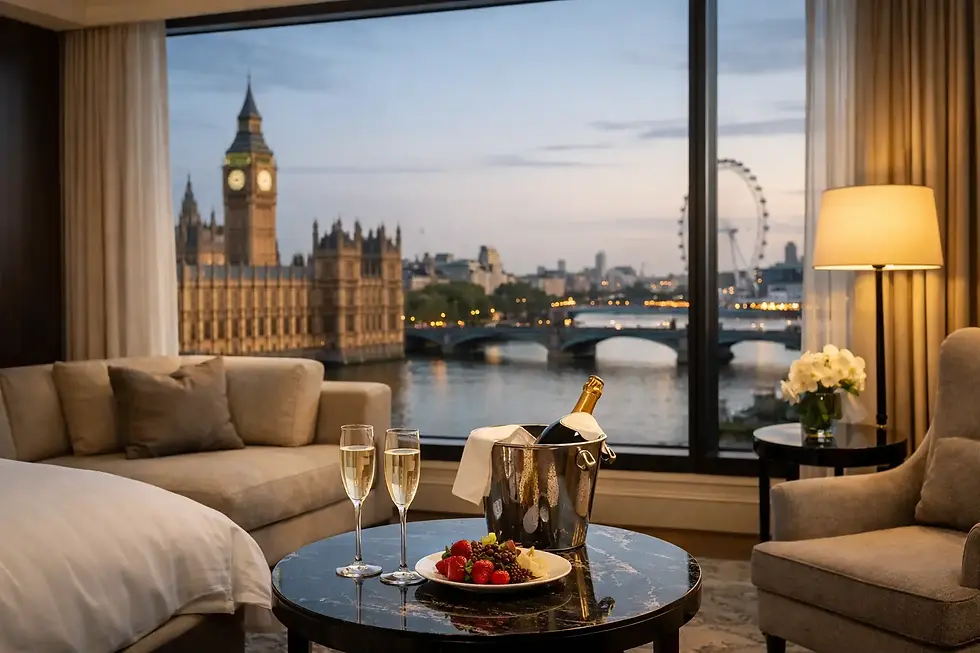
This shift makes sense for shorter breaks. If you only have two or three nights away, a great location and inviting communal spaces can improve every hour of the trip. A hotel bar you actually want to visit, a pool with a view, or breakfast worth lingering over can turn downtime into part of the holiday.
Still, do not pay for facilities you will not use. A gorgeous resort may be a poor choice if your real priority is exploring a city from morning to night. Match the stay to the trip: central and compact for a fast-paced urban break, spacious and amenity-rich for a beach or wellness escape.
4. Food-Led Travel Is Getting More Specific
Food has always shaped where people travel, but the focus is moving beyond famous restaurants. Travellers want the local specialities, the neighbourhood bakeries, the market stalls and the dishes that make sense in that particular place. A trip to Naples might centre on pizza, but it can also include street-food tours, espresso bars and a stay in a lively district where dinner is never an afterthought.
The most useful planning habit is to book one or two meals that genuinely matter, then leave the rest open. Overbooking every lunch and dinner can make a holiday feel like a timetable. A little preparation avoids disappointment in popular spots, while flexibility gives you room to follow your appetite.
Food-focused travel also rewards choosing where you stay carefully. Being within walking distance of good restaurants is often more valuable than having a larger room several miles away.
5. Multi-Generational and Group Holidays Need Better Design
Group travel is back in a more considered form. Friends are planning villa weeks, siblings are organising milestone trips, and families are bringing grandparents along for holidays that feel more meaningful than a standard reunion at home.
The winning formula is not trying to do everything together. Choose accommodation with enough shared space, but build in independent time. One person may want an early hike, another a slow breakfast, and someone else may simply want a sun lounger and a book. A group trip runs better when that is expected rather than treated as a problem.
For larger groups, direct flights, short transfers and a supermarket nearby can matter more than an ambitious destination. Glamour is welcome, but logistics decide whether everyone enjoys the trip.
6. Nature Breaks Are Becoming More Comfortable
Travellers still want dramatic coastlines, mountain trails, national parks and remote cabins. What is changing is the expectation around comfort. Many people want the outdoors with a proper bed, hot shower, good coffee and an easy route back to civilisation.
That has made scenic road trips, cabin stays and small countryside hotels particularly appealing. They offer the reset of being outside without requiring specialist kit or a full camping commitment. A well-planned road trip can also combine different experiences, such as a few nights in a city followed by a quieter stay near lakes, vineyards or the coast.
If you are hiring a car, look beyond the daily rate. Fuel policies, parking, insurance excesses and one-way fees can change the total quickly. In busy summer areas, book accommodation with parking included or confirm the local options before you commit.
7. Travellers Are Spending More Carefully, Not Necessarily Less
One of the clearest travel trends is selective spending. People are willing to pay extra for the parts of a holiday that remove stress or create a standout memory, such as a direct flight, a central hotel, a special meal or a guided experience. At the same time, they are cutting back on extras that do not add much value.
This is where a simple holiday budget helps. Decide your non-negotiable first. If it is a beachfront room, save on dining out every night. If food is the priority, choose a stylish but simpler base. If you want to visit a big-ticket attraction, book it early and plan the rest of the day around lower-cost neighbourhood experiences.
There is no universal best way to spend. The most satisfying holidays usually put money towards the part you will talk about when you are home.
8. Better Planning Beats Overplanning
Travel planning tools make it easy to compare everything, but endless comparison can lead to decision fatigue. The answer is not booking blindly. It is setting a few clear rules before you start searching: your dates, overall budget, preferred flight times, the kind of trip you want, and one or two deal-breakers.
Once those are set, shortlist rather than scroll. Compare three areas to stay in, three hotels and a manageable number of flight options. Read recent reviews for practical details that glossy photos cannot show, including noise, room size, transport access and whether the pool or beach is genuinely usable.
The best plans leave room for reality. Weather changes, queues happen, and the restaurant you were certain about may not be the one you remember most. Book the essentials, keep your first day light, and let the destination do some of the work.
The most useful trend to take into your next holiday is this: choose fewer things, but choose them well. A trip designed around your own pace, priorities and pleasures will always feel more rewarding than one copied from somebody else’s itinerary.


Comments