Tokyo Top 10 Sights Walking Tour
- Apr 26
- 4 min read
Exploring Tokyo on foot offers a unique way to experience the city's rich culture, history, and vibrant neighborhoods. This walking tour covers the top 10 sights in Tokyo, spanning approximately 10 kilometers and taking around 5 to 6 hours at a comfortable pace. Each stop offers something special, from historic temples to modern shopping districts. The route is designed to be easy to follow, with clear directions between each location. Whether you are a first-time visitor or returning to Tokyo, this walking tour will help you discover the city's highlights in a single day.

1. Meiji Shrine
Start your tour at Meiji Shrine, a peaceful Shinto shrine dedicated to Emperor Meiji and Empress Shoken. Located in a forested area near Harajuku Station, the shrine offers a serene atmosphere away from the city's hustle. Walk through the large torii gates and along the gravel paths surrounded by towering trees. Visitors can participate in traditional rituals such as making offerings, writing wishes on ema plaques, or buying omamori (charms).
Things to do:
Explore the shrine grounds and admire the traditional architecture.
Visit the Treasure Museum to see artifacts related to Emperor Meiji.
Enjoy a stroll in the adjacent Yoyogi Park.
Directions to next stop:
From Meiji Shrine, walk east for about 10 minutes to reach Takeshita Street in Harajuku.
2. Takeshita Street
Takeshita Street is the heart of Tokyo’s youth culture and fashion scene. This narrow pedestrian street is lined with colorful shops, trendy boutiques, and quirky cafes. It’s the perfect place to experience Tokyo’s pop culture and try unique street food like crepes or rainbow cotton candy.
Things to do:
Shop for unique fashion items and accessories.
Try local snacks from street vendors.
People-watch and soak in the lively atmosphere.
Directions to next stop:
Walk south for 15 minutes to reach Omotesando, a nearby upscale shopping avenue.
3. Omotesando
Omotesando is known as Tokyo’s Champs-Élysées, featuring wide tree-lined streets and modern architecture. The area hosts flagship stores of international brands and stylish cafes. It’s a great place to admire contemporary design and enjoy a coffee break.
Things to do:
Visit flagship stores like Prada and Louis Vuitton.
Stop at a café for a relaxing break.
Explore side streets for hidden boutiques.
Directions to next stop:
From Omotesando, walk southeast for 20 minutes or take the subway from Omotesando Station to Shibuya Station (one stop).
4. Shibuya Crossing
Shibuya Crossing is one of the world’s busiest pedestrian intersections and a symbol of Tokyo’s energy. Watching the waves of people crossing from all directions is a must-see experience. Nearby, you can find shopping centers, restaurants, and the famous Hachiko statue.
Things to do:
Cross the intersection multiple times to feel the energy.
Visit Shibuya 109 for trendy fashion.
Take a photo with the Hachiko statue.
Directions to next stop:
Walk northeast for 15 minutes to reach Ebisu Station, or take the train from Shibuya to Ebisu (one stop).
5. Ebisu Garden Place
Ebisu Garden Place is a modern complex with shopping, dining, and cultural attractions. The area is less crowded and offers a more relaxed atmosphere. The observation deck provides great views of the city.
Things to do:
Visit the Yebisu Beer Museum to learn about Japan’s brewing history.
Enjoy lunch at one of the many restaurants.
Relax in the open plaza and gardens.
Directions to next stop:
From Ebisu Garden Place, walk northeast for 25 minutes or take the train from Ebisu to Roppongi Station.
6. Roppongi Hills
Roppongi Hills is a large urban development featuring art museums, shopping, and dining. The Mori Art Museum showcases contemporary art, while the observation deck offers panoramic views of Tokyo Tower and beyond.
Things to do:
Explore the Mori Art Museum.
Visit the observation deck for city views.
Dine at one of the many restaurants or cafes.
Directions to next stop:
Walk north for 20 minutes or take the subway from Roppongi to Akasaka-mitsuke Station.
7. Akasaka Palace
Akasaka Palace, also known as the State Guest House, is an impressive Neo-Baroque building used for official receptions. The palace grounds are open to the public on certain days, offering a glimpse into Japan’s diplomatic history.
Things to do:
Tour the palace grounds (check opening days in advance).
Walk through the surrounding gardens.
Take photos of the grand architecture.
Directions to next stop:
Walk east for 15 minutes to reach the National Diet Building.
8. National Diet Building
The National Diet Building houses Japan’s parliament. Its distinctive pyramid-shaped roof and stone facade make it an iconic Tokyo landmark. Guided tours are available on weekdays, providing insight into Japan’s political system.
Things to do:
Join a guided tour if available.
Walk around the building and gardens.
Visit nearby Kokkai-gijidomae Station for easy access.
Directions to next stop:
Walk east for 20 minutes or take the subway from Kokkai-gijidomae to Tokyo Station.
9. Tokyo Station and Marunouchi
Tokyo Station is a major transportation hub with stunning red brick architecture. The surrounding Marunouchi district features upscale shops, restaurants, and historic buildings. The station’s underground shopping mall offers a variety of souvenirs and local delicacies.
Things to do:
Explore the station’s architecture and history.
Shop for souvenirs in the underground mall.
Walk around Marunouchi for dining options.
Directions to next stop:
Walk east for 10 minutes to reach the Imperial Palace East Gardens.
10. Imperial Palace East Gardens
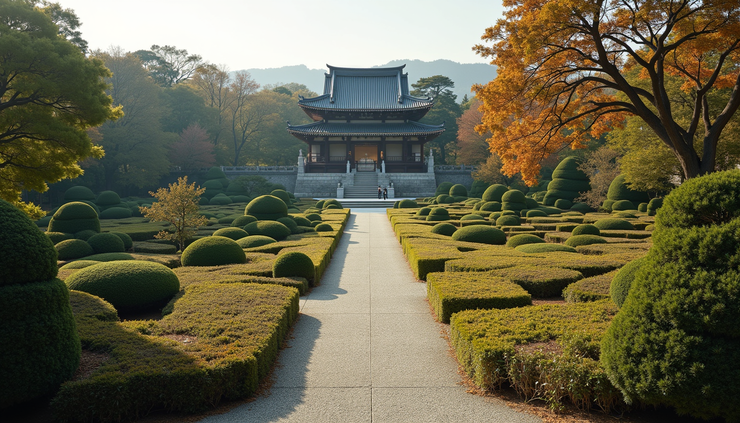
End your tour at the Imperial Palace East Gardens, a peaceful green space in the heart of Tokyo. The gardens feature historic ruins, traditional landscaping, and seasonal flowers. It’s a perfect spot to relax after a day of walking.
Things to do:
Explore the gardens and stone walls.
Visit the Ninomaru Garden with its pond and tea house.
Enjoy the views of the palace grounds.
Tips for the Tokyo walking tour
Wear comfortable shoes as the tour covers about 10 kilometers.
Start early to avoid crowds, especially at popular spots like Shibuya Crossing.
Carry water and snacks, though there are plenty of cafes along the way.
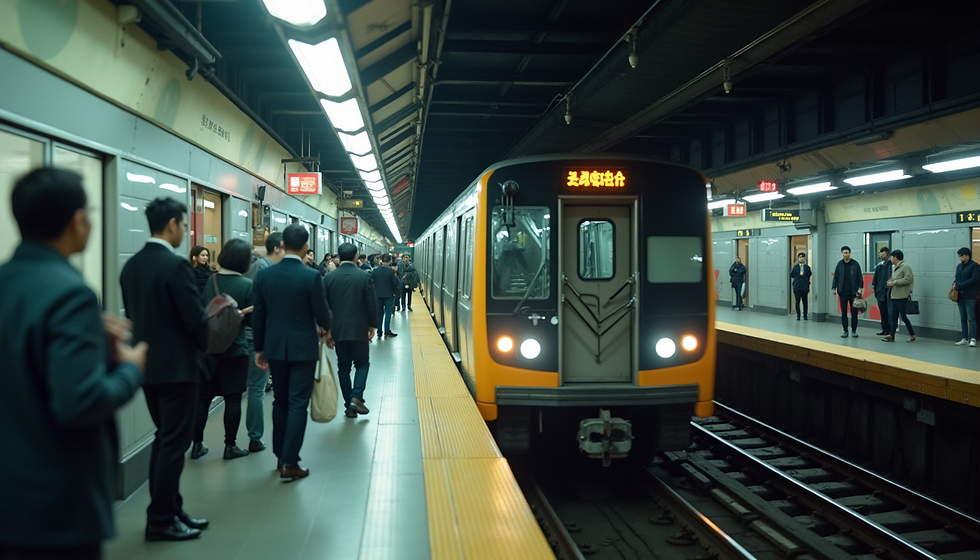
Use a Suica or Pasmo card for convenient subway rides if you choose to skip some walking sections.
Check opening hours and any special events at museums or palaces before you go.
Bring a camera or smartphone to capture the diverse scenes from traditional shrines to modern cityscapes.
Consider downloading an offline map app to help navigate between stops.

Comments